Shops · Warehouses · Service bays
Commercial Garage Door Repair in Lubbock, TX
When a bay door goes down at a shop, warehouse or service business, work stops. Here’s how commercial door repair works in Lubbock, what usually fails and how to keep downtime short.
What Commercial Garage Door Repair Covers
Commercial garage door repair fixes the larger, heavier, higher-cycle doors used on shops, warehouses, auto service bays, farm buildings, fire and municipal buildings and loading docks. That includes rolling steel (roll-up) doors, commercial sectional doors, high-lift and vertical-lift track, heavy-duty springs, commercial operators, safety edges and photo eyes, and dock equipment.
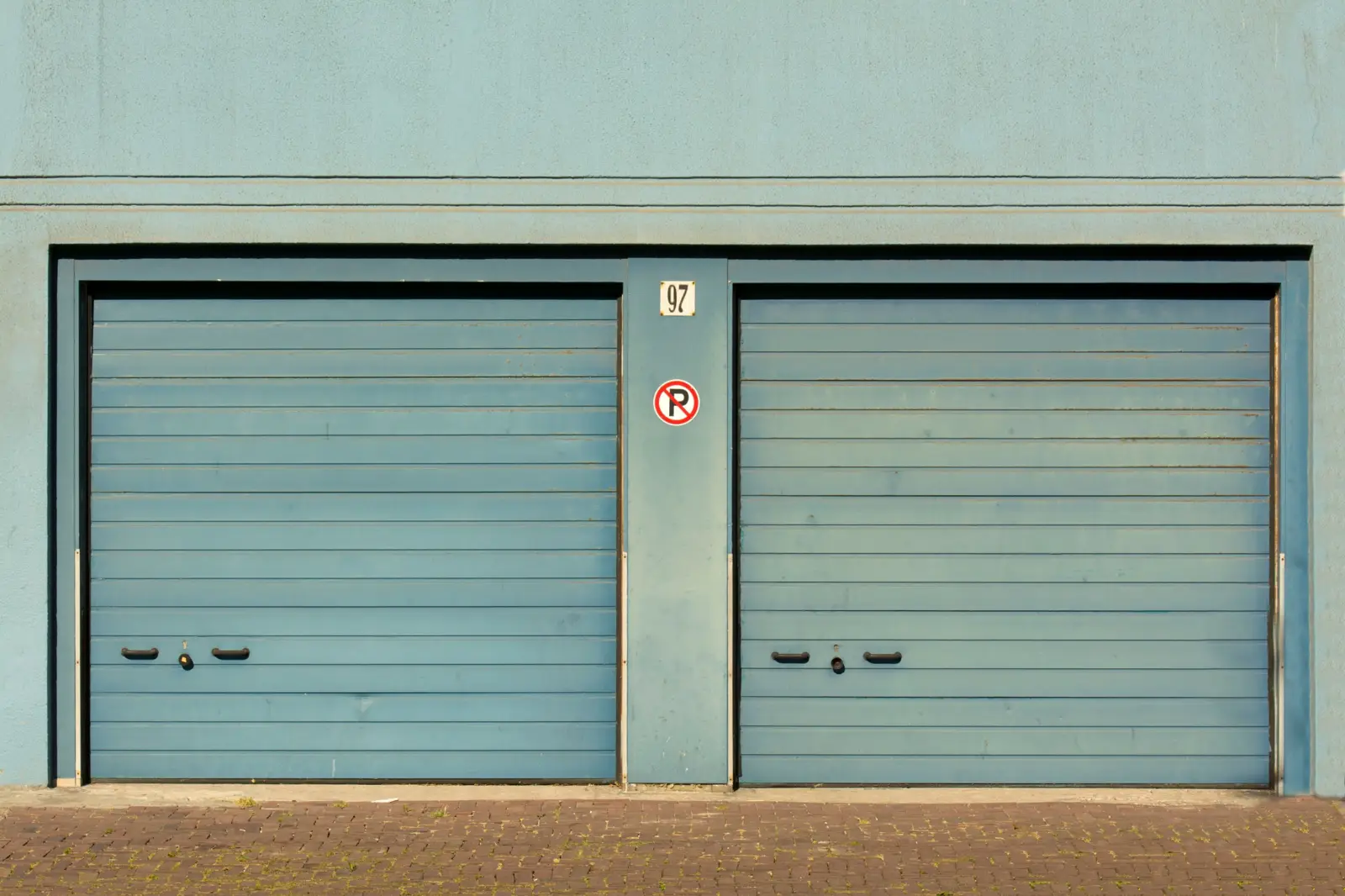
Commercial doors work on the same principles as residential ones, with springs balancing the door and an operator moving it, but everything is bigger and works harder. A busy service bay can cycle a door dozens of times a day, so springs, cables and operator parts wear out far faster than on a home. Lubbock’s mix of agriculture, oilfield service, logistics and auto businesses means a lot of bay doors in hard use. For residential problems, start with our main guide to residential garage door repair in Lubbock.
Commercial Door Types
| Door type | Where it’s used | What tends to fail |
|---|---|---|
| Rolling steel (roll-up) door | Warehouses, storage, shops, loading areas | Barrel springs, slats, guides, bottom bar |
| Commercial sectional door | Service bays, fire stations, dealerships | Torsion springs, cables, rollers, hinges |
| High-lift or vertical-lift track | Tall bays with overhead cranes or lifts | Spring sizing, cable wear, track alignment |
| Insulated or full-view sectional | Showrooms, climate-controlled shops | Glass panels, heavier springs, seals |
| Rolling grilles and counter shutters | Storefronts, service counters | Curtain links, guides, locks |
Rolling steel doors coil around a barrel above the opening, with springs inside the barrel. Sectional doors ride up into tracks like a residential door, often on high-lift track to clear equipment. Each needs different parts and experience, so say which you have when you call.
Signs a Commercial Door Needs Attention
- The door won’t open or close, or the operator hums without moving.
- Loud bangs, grinding or popping from the barrel, springs or track.
- The door drifts down when stopped partway, or is very heavy on manual chain.
- Slats or sections are bent from forklift, truck or trailer impact.
- Cables are frayed or the door hangs unevenly.
- Safety edges or photo eyes fault, so the door reverses or won’t close.
- Daylight around the door or failed seals letting in dust and weather.
A door that is crooked or hanging on one side is a hazard to staff and vehicles. Stop using it, cordon off the opening and call. The same rules apply as on homes; our off-track repair guide explains why.
Impact Damage: The Most Common Commercial Call
Forklifts, delivery trucks and trailers hit bay doors more often than anyone likes to admit. A low-speed bump can bend slats on a roll-up door, crease a sectional panel, knock guides or track out of line and damage the bottom bar and safety edge. Even if the door still runs, bent parts wear quickly and can jam.
- Stop using a door that binds or runs crooked after an impact.
- Photograph the damage and note the time for your insurer or the responsible party.
- Ask about replacing only the damaged slats or sections where possible.
- Consider bollards, guide protectors or a breakaway bottom bar for high-traffic bays.
Commercial Operators, Safety Devices and Controls
Commercial operators are heavy-duty motors that mount on the wall beside the door (jackshaft) or on the door’s shaft, or trolley operators for some sectional doors. They are rated for duty cycle, so a high-traffic bay needs an operator built for continuous use. Common repairs include motor and gearbox failures, worn drive chains, limit switches out of adjustment, failed control boards and damaged wiring.
Safety devices matter even more on commercial doors because they are heavier and close over people and vehicles. Photo eyes and reversing edges should be tested regularly. Controls range from simple push buttons to radio controls, loop detectors for vehicles, timers and access systems. If your door uses a manual chain hoist as backup, make sure staff know how to use it safely during outages.
Lubbock Businesses That Depend on Bay Doors
Lubbock is a regional hub for the South Plains, and a lot of its economy moves through overhead doors: cotton gins and agricultural equipment dealers, oilfield and trucking service yards, auto and diesel repair shops, distribution warehouses, storage facilities and municipal and university buildings. Each puts different demands on a door. A diesel shop needs tall, fast, durable doors that survive constant cycling; a storage facility needs dozens of roll-up doors that stay secure; a showroom wants insulated or glass doors that look good and seal tight.
The common thread is cost of downtime. When a bay can’t open, trucks wait, technicians stand idle and deliveries back up. That makes preventive maintenance and fast, accurate diagnosis more valuable than on almost any home door.
Keeping Downtime Short
- Know your door. Note the door type, size, manufacturer label and operator model, and keep photos on file.
- Schedule maintenance. High-cycle doors benefit from regular service, often several times a year for busy bays.
- Upgrade springs to high-cycle versions on doors that run constantly.
- Protect openings with bollards and guards where vehicles turn.
- Train staff to report noise and slow operation early, and not to force a jammed door.
- Plan for outages with manual chain hoists or battery-backed controls where needed.
Many shops and metal buildings around Lubbock County, including near Shallowater and Wolfforth, use tall sectional or roll-up doors. Describe the door when you call so you’re connected with a company that services commercial doors.
What a Commercial Service Call Includes
- Make the opening safe and secure the door so it can’t move during work.
- Inspect the full system: springs, cables, drums or barrel, track or guides, slats or sections, operator, controls and safety devices.
- Explain the repair and price before work, including whether parts are stocked or need ordering.
- Repair and adjust the door, balance springs and set operator limits.
- Test the safety devices and operation through several cycles.
- Recommend maintenance intervals based on how hard the door is used.
What Affects the Cost of Commercial Door Repair
| Factor | How it changes the price |
|---|---|
| Door type and size | Large roll-up and high-lift sectional doors need heavier parts. |
| Springs and cycle rating | High-cycle commercial springs cost more and last longer. |
| Impact damage | Replacing slats, sections, guides or bottom bars adds parts and labor. |
| Operator repairs | Gearboxes, boards and motors vary widely by brand and duty rating. |
| Parts availability | Older or specialty doors may require ordered parts. |
| Timing | After-hours service to reopen a bay may carry a premium. |
FAQ
Commercial Garage Door Questions
Do residential garage door companies fix commercial doors?
Some do and some don’t. Rolling steel doors, high-lift sectional doors and commercial operators need different parts and experience. Describe your door when you call so you’re matched with the right company.
How often should commercial doors be serviced?
It depends on use. Busy service bays and loading doors often benefit from service several times a year, while lightly used shop doors may need it once a year.
Can damaged roll-up door slats be replaced individually?
Often, yes, if the curtain profile is still available. Badly damaged curtains may need to be replaced as a whole.
What is a high-cycle spring?
A spring built for many more open-and-close cycles than a standard spring. It costs more up front but reduces breakdowns on doors that run all day.
Why does my commercial door reverse before closing?
Usually the photo eyes or reversing edge sense an obstruction, are misaligned or are damaged. Dust, impact and worn wiring are common causes.
Can my shop door get an electric operator?
Usually. Sectional and many roll-up doors can take a commercial operator sized to the door’s weight and use. The door must be balanced first.
Can a damaged commercial door be secured overnight?
Often. A technician can lock the door down, block the opening or temporarily disconnect the operator so the building stays secure until parts arrive. Ask about it when you call if the bay can’t be left open.
Is a roll-up or sectional door better for a shop?
Roll-up doors take little headroom and stand up well to rough use, which suits warehouses and storage. Sectional doors can be insulated, seal better and run more quietly, which suits heated or cooled shops and service bays. The right choice depends on ceiling height, climate control and how often the door runs.
Talk to a local garage door tech
Commercial door down? Get your bay back open.
One free call connects you with an independent company that services commercial garage doors in Lubbock.
(806) 555-0163