Tracks · Cables · Rollers
Off-Track Garage Door & Cable Repair in Lubbock
A garage door hanging crooked, with rollers out of the track or a cable dangling, is one of the most dangerous situations in a garage. Here’s what causes it, what to do right now and how it’s repaired.
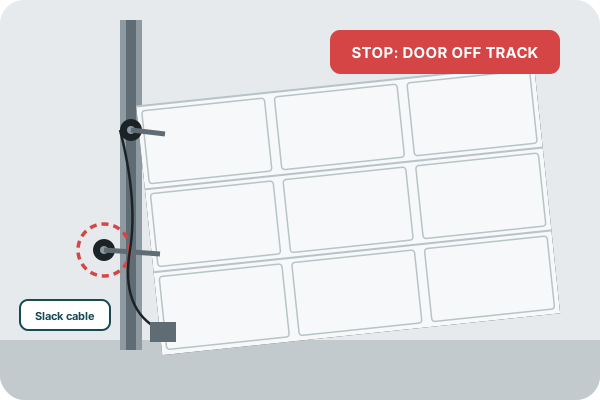
What Off-Track and Cable Repair Means
Off-track garage door repair secures a door whose rollers have left the tracks, then straightens or replaces bent track, replaces damaged rollers and hinges, re-hangs or replaces lift cables, and rebalances the door. It often goes hand in hand with cable repair, because a snapped or slipped cable is one of the most common reasons a door comes off track.
An off-track door is unstable. One side may be held up only by a twisted roller or a single cable. It can drop or swing without warning, so this is a repair to call in rather than attempt. For other door problems, start with our main guide to garage door service in Lubbock, TX.
Why Garage Doors Come Off Track
- A broken or slipped lift cable lets one side drop, twisting the door so rollers pop out.
- Impact from a car bumper, a trailer or a lawn mower bends the vertical track.
- Strong wind pushes the door inward hard enough to bend tracks and pull rollers free.
- Worn or broken rollers wobble out of the track, especially old steel rollers with failed bearings.
- Loose track brackets let the track shift away from the door as screws back out of the jamb.
- Obstructions in the track or the door closing on an object can push it off line.
- A broken spring or a door run with the opener while unbalanced puts uneven force on one side.
Wind deserves a special mention in Lubbock. During the June 2025 storms, the National Weather Service estimated downburst winds near 115 mph in parts of west and southwest Lubbock. Even far milder gusts can bow a closed door and bend lightweight track. If the door came off track during a storm, read the storm damage guide too.
Signs of a Cable, Roller or Track Problem
| What you see or hear | What it usually means |
|---|---|
| Door hangs lower on one side | Broken or slipped cable, or a cable off its drum |
| Roller visibly outside the track | Bent track, broken roller or impact damage |
| Cable hanging loose by the bottom bracket | Cable snapped, frayed through or came off the drum |
| Grinding, scraping or popping as the door moves | Worn rollers, misaligned track or a roller catching |
| Gap between door and track on one side | Track bracket loose or track bent outward |
| Door stops and won’t move further | Roller jammed in a bent section of track |
What to Do Right Now
- Stop using the door and the opener. Unplug the opener so no one presses the button.
- Keep everyone clear, especially children and pets. Don’t walk or drive under the door.
- Don’t pull the emergency release if the door is open or partly open; the door could fall.
- Don’t try to push rollers back in or hammer the track while the door is under tension.
- If the door is stuck open, secure the entry from the garage into the house.
- Take photos of the door, tracks and cables, especially if a storm or vehicle caused it.
The lift cables and the brackets they attach to at the bottom of the door carry the full force of the springs. Loosening them can release that force suddenly. Leave cable work to a technician.
If a car is trapped inside, see our emergency garage door repair page for options.
How Technicians Repair an Off-Track Door
- Secure the door with clamps or locking pliers on the track so it can’t move, and release spring tension if needed.
- Assess the damage: tracks, rollers, hinges, cables, drums and the bottom section.
- Straighten or replace track. Small bends can be corrected; kinked or crushed sections are replaced.
- Replace damaged rollers and hinges, often upgrading to sealed nylon rollers for quieter operation.
- Re-hang or replace cables so both sides wind evenly on the drums.
- Re-tension and balance the springs, then reconnect and test the opener and safety reverse.
If a bottom panel or several sections were bent in the incident, the technician may recommend panel replacement or a new garage door, especially if the door model is discontinued.
Rollers and Cables: Small Parts, Big Difference
Rollers and cables rarely get attention until they fail, but they are cheap insurance against an off-track door.
Rollers
Builder-grade steel rollers without sealed bearings wear quickly, get noisy and can wobble out of the track. Nylon rollers with sealed ball bearings run quieter and smoother and are a common upgrade. A full set is usually ten rollers on a standard door, and the bottom roller brackets should only be changed by a technician because they connect to the cables.
Cables
Lift cables are galvanized steel and wear where they bend around the drums and attach at the bottom brackets. Dust, moisture at the bottom of the door and rust weaken them over time. Look for broken strands, rust or a cable that sits slack when the door is closed. Cables are often replaced together with springs because they share the load.
When the Door Was Hit by a Car
Backing into a closed or partly open door is one of the most common causes of off-track damage. Even a slow bump can bend the bottom section, push the vertical track out of line and pop several rollers. A few things to know:
- Don’t try to open or close the door after an impact until it’s been checked.
- Photograph the door, track and vehicle. Auto or homeowners insurance may cover the repair, depending on your policy.
- Expect the technician to check the bottom section, struts, hinges, rollers, track and cables, not just the visible dent.
- A badly creased bottom section can often be replaced on its own if the model is still made.
If the door is stuck open after an impact, follow the security steps in our emergency guide.
How to Prevent an Off-Track Door
- Watch the door move once a month for wobbling rollers or a gap at the track.
- Keep tracks clean and clear of debris, but don’t grease them; lubricate roller bearings and hinges instead.
- Check that track brackets are tight against the wall.
- Back out carefully, and don’t store bikes or tools where they can hit the track.
- Replace worn rollers and frayed cables before they fail.
- Close the door before high-wind storms, and consider a wind-resistant door if yours bows easily.
What Affects the Cost of Off-Track Repair
| Factor | How it changes the price |
|---|---|
| Cause of the problem | A slipped cable is simpler than a bent track and twisted sections. |
| Track replacement | Badly bent vertical or horizontal track needs new sections. |
| Rollers, hinges and cables | Parts replaced while the door is secured add to the total. |
| Spring work | Releasing and re-tensioning springs adds labor; broken springs add parts. |
| Panel damage | Bent sections may need replacement or a new door. |
| Urgency | Night or weekend calls, or a car trapped inside, may carry a higher fee. |
FAQ
Off-Track Door and Cable Questions
Can I put my garage door back on track myself?
It isn’t recommended. The door may be held by a single cable or twisted roller, and the cables and bottom brackets are under spring tension. Moving it can cause the door to fall. A technician can secure it safely first.
Is it safe to use a garage door with a broken cable?
No. A broken cable leaves one side unsupported and the door can twist, jam or fall. Stop using the opener, keep everyone clear and call for repair.
What causes garage door cables to snap?
Wear, rust and fraying at the bottom brackets are the most common causes. Cables can also snap when a spring breaks, when a door is run while out of balance, or when the door is hit.
Should I replace rollers when the door comes off track?
Often, yes. If rollers are worn, cracked or have failed bearings, replacing them while the door is secured prevents a repeat. Many owners upgrade to sealed nylon rollers.
Can wind push a garage door off track?
Yes. Strong gusts can bow a closed door inward, bend tracks and pull rollers free, especially on lightweight, non-reinforced doors. Wind-resistant doors and bracing reduce the risk.
How long does off-track repair take?
Simple cable and roller repairs may take an hour or two. Bent track, multiple broken parts or damaged sections take longer and may require a return visit for parts.
Talk to a local garage door tech
Door off track or cable snapped? Get help now.
One free call connects you with an independent garage door company that secures and repairs off-track doors in Lubbock.
(806) 555-0163